
We didn’t become impatient overnight.
We learned it—slowly, quietly—through systems designed to make life easier. What began as help turned into habit, and habit into expectation, until waiting itself started to feel like failure.
Necessity is the mother of all inventions.
But convenience, when left unquestioned, often becomes its most persuasive consequence.

Long before ten-minute grocery deliveries became a marker of modern living, there was pizza. When pizza chains introduced the promise of “30 minutes or free,” they solved a genuine problem. Food delivery had earlier meant long waits, making it impractical for everyday life. Speed made access reliable. It made ordering easier.
It also quietly changed behaviour.
Pizza stopped being an occasional indulgence and became the default for weekends, children’s parties, and casual gatherings. Planning receded. Effort disappeared. What began as a thoughtful improvement slowly reshaped habits and expectations.
Then came the pandemic.
In the early days of COVID-19, rapid delivery services were not luxuries—they were safeguards. They reduced exposure, protected vulnerable populations, and limited time spent in crowded markets. The idea behind quick delivery was humane and necessary.

But emergencies have a way of outlasting their urgency.
What was once support evolved into lifestyle. The ten-minute delivery model didn’t just promise speed—it promised the removal of friction. Convenience stopped being a solution and quietly became a crutch, one largely sustained by privilege.
There was a time when buying groceries required intention. Lists were written. Meals were planned. A day was set aside. You adjusted when something was unavailable. Waiting was not a flaw—it was part of living.
Scarcity encouraged discernment.
Effort created awareness.
Today, effort has been engineered out. A missing ingredient no longer invites creativity; it invites an app. Milk runs out? Ten minutes. Forgot something? Ten minutes. Poor planning? Ten minutes.

The same pattern repeats across modern life.
Streaming platforms removed the wait for weekly television episodes—initially a gift. No more scheduling evenings around broadcasts, no more days spent anticipating the next chapter. But binge culture followed, erasing anticipation and rest. Stories that once unfolded slowly, leaving space for reflection, are now consumed in long, restless stretches. What was once savoured now demands immediate consumption.
As Jenny Odell writes, “Attention is the beginning of devotion.” When everything is available at once, attention fragments—and depth quietly thins.
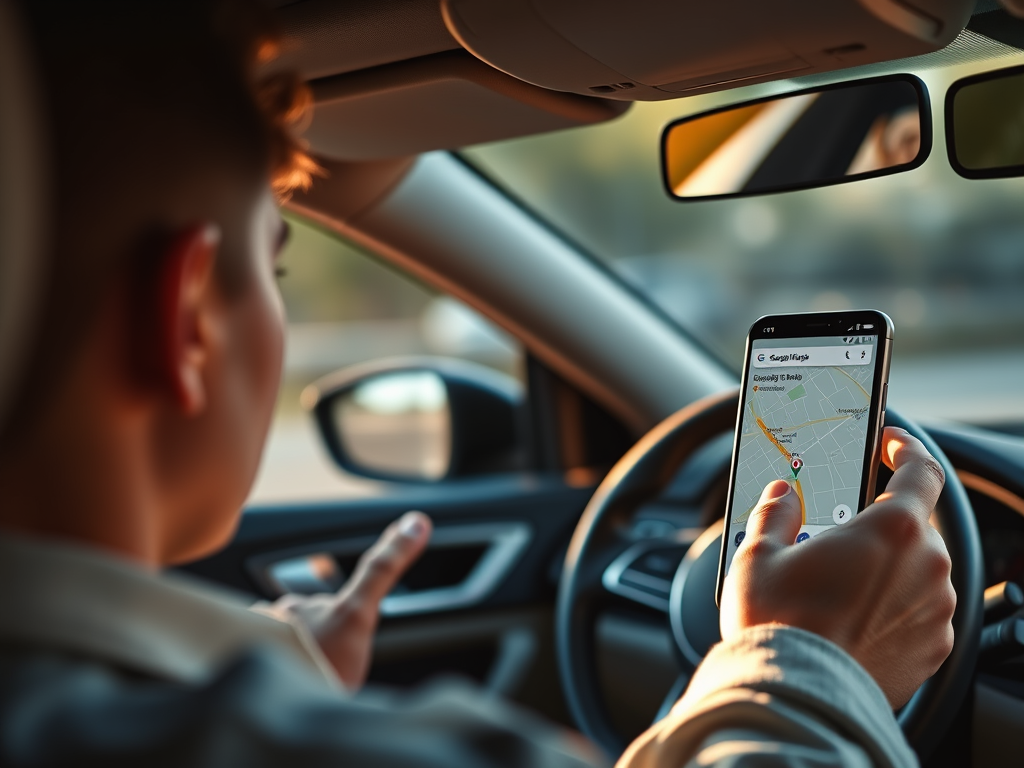
Navigation apps made travel easier, especially in unfamiliar places. But over time, many of us stopped learning routes altogether. We follow instructions without understanding direction. We arrive faster, but less aware of where we are. The journey disappears, and with it, our relationship to place.
Online shopping saved time, yet impulsive purchasing replaced thoughtful buying. Returns became routine. Objects lost weight and meaning. Possession no longer requires commitment. What once demanded consideration now requires only speed.
Even communication followed suit. Voice notes replaced conversations. Emojis replaced explanation. Being reachable became expected rather than chosen. Silence—once neutral—began to feel suspicious. Delayed responses are interpreted as disengagement. Boundaries are mistaken for indifference.
As philosopher Byung-Chul Han observes, “The absence of rest is a new form of violence.”
In removing friction, modern life did not simply make things easier—it made them more demanding.
Across all these shifts runs the same thread: we have grown increasingly intolerant of waiting, planning, and staying with discomfort. We have built systems to erase inconvenience, but in doing so, we have dulled our capacity for patience, adaptation, and care.
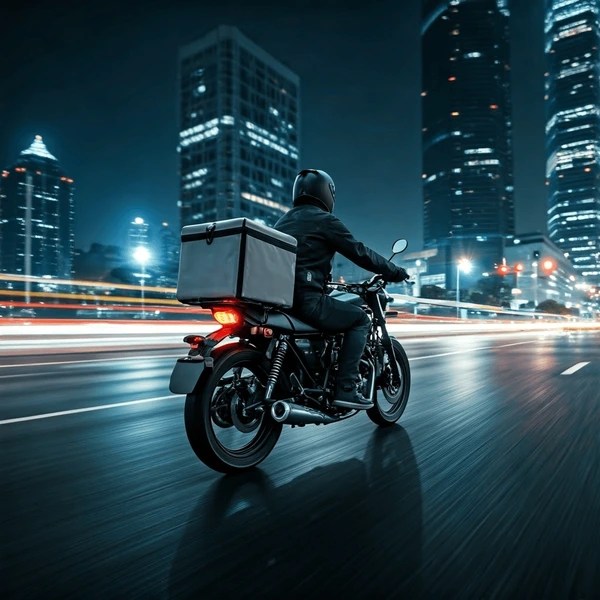
The irony is difficult to ignore. Much of the convenience we enjoy depends on invisible labour—delivery workers rushing through traffic, warehouse staff working under relentless timelines, service roles absorbing urgency on our behalf. Ease is rarely created without effort; it is merely displaced.
What begins as help becomes habit.
What begins as habit becomes expectation.
What begins as expectation becomes entitlement.

This is not an argument against progress or innovation. Both matter. But so does memory. When necessity gives way to excess without reflection, we forget why these systems were built in the first place.
The peril of modern society is not invention—it is forgetting context.
Progress did not fail us. Forgetting did. When convenience replaces intention, we don’t just lose patience—we lose relationship: with time, with labour, with one another. Perhaps it is time to reclaim a little friction. To plan again. To wait occasionally. To accept that effort is not inefficiency, and that slowness is not failure.
Not everything needs to arrive in ten minutes.
Some things are better when they ask us to stay longer.
Because a life designed entirely around ease may eventually forget how to live with intention.






Leave a Reply